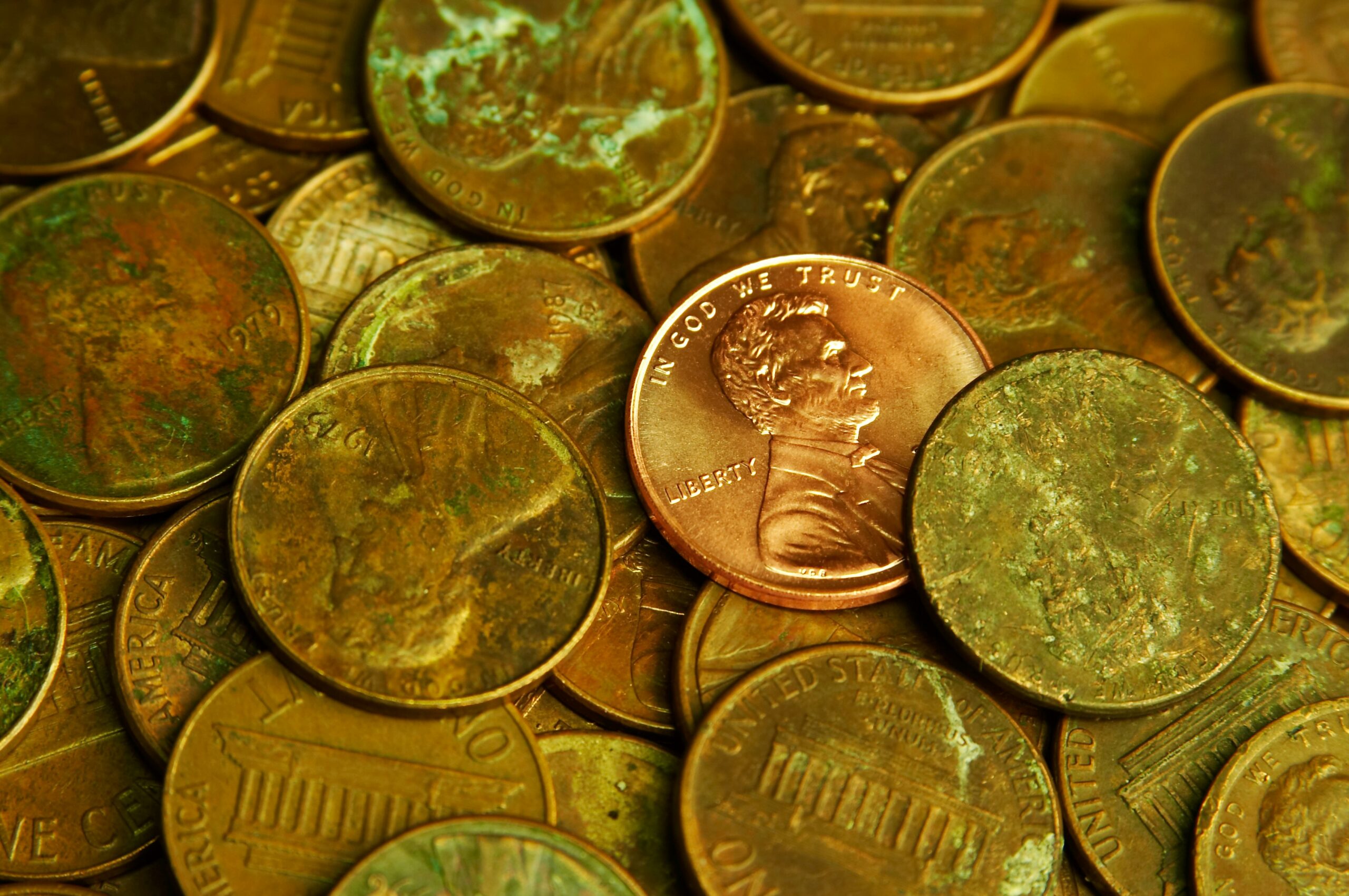

From their national debut in 1792 to their final minting last November, pennies are worth far more than one cent. They have a rich history and solid place in American culture, from penny candy to popular sayings like “a penny for your thoughts.”
The national payment landscape has come a long way since Honest Abe — with digital payment methods in high demand. Add to this the cost of producing a single penny at 3.69 cents, making our one-cent coin not only economically unfeasible but also a national symbol of our journey towards a digital payment-first country.
In this article, we’ll cover how the penny’s retirement will affect the payment landscape. In particular, we’ll examine what this will mean for physical cash transactions and which payment options are emerging as practical and inclusive alternatives, ideal for our diverse nation.
Why the Penny Is Disappearing?
The penny is disappearing for several reasons. First, it costs a pretty penny to produce, at almost four times its face value. Ceasing the penny’s production will save the U.S. Mint more than $56 million annually.
For businesses, however, manually handling, storing, and transporting pennies is nothing short of an operational burden, causing immense friction with little business-related or consumer benefit. In short, it makes cents the penny is leaving circulation. Businesses can improve operational efficiency and save on labor and other operational costs.
What Happens to Cash Transactions Without the Penny?
With pennies no longer in production, businesses conducting cash transactions will implement a rounding system. This means that they’ll either round up or round down to the nearest five cents, depending on the transaction amount.
For instance, for a transaction totalling $1.01, retailers will likely round down to $1.00. Whereas, if the transaction totals 1.09, then the final amount will round up to $1.10.
The rounding system applies only to the total transaction amount, not to the item prices. The cost to consumers is nominal — no more than a few dollars (at most) annually— before evening out over time.
Pennies in circulation remain legal tender. Consumers are free to use them where accepted, even though new pennies will no longer be minted.
Will Prices Automatically Round Up?
Since the rounding system applies to the total transaction value rather than individual product prices, the overall transaction price will either round up or down. While there is widespread concern that prices will rise across the board now that the government has ceased penny production, this won’t occur. Other countries that have ceased minting their low-denomination coins never experienced meaningful price inflation after adopting the rounding system.
Why Digital Payments Are Unaffected by Penny Removal
Digital payments will remain unfazed by the phase-out of the penny. For one, digital payments already process transactions down to the exact penny. Debit cards, credit cards, online payments, and mobile wallets preserve price accuracy by not rounding the transaction total up or down. Even for small transaction amounts, digital payments provide the most frictionless payment experience for consumers and businesses.
Digital Payment Options That Can Replace the Penny
While customers paying in cash may see their transaction total rounded up to the nearest nickel, those paying with a digital payment method can avoid this and only pay what they owe, not a penny more.
The following digital payment methods allow businesses to maintain pricing precision as the penny continues to disappear from cash registers and wallets.
Digital Wallets and Mobile Payments
When on the go, today’s consumers may need to make a quick purchase, such as a coffee or a pack of chewing gum. They don’t have time to count out change, much less wait for change in return. Digital wallets, such as Apple Pay, Google Pay, and others, are a common-sense replacement for low-ticket purchases that were once ideal for coins.
Digital wallet solutions process these transactions to the exact cent, so that businesses can avoid the rounding system. They’re also widely available and accepted in the U.S. and worldwide, unfazed by any changes to physical cash or coins.
Debit and Credit Card Payments
Millions of US consumers continue to use debit or credit cards for everyday purchases. Using them for small-dollar purchases means they don’t have to rely on physical change or deal with the hassles and time constraints of counting it out.
Accepting debit and credit card payment methods allows businesses to avoid operational challenges and restraints that have surfaced as the penny continues to phase out, including:
- Operational friction from coin management (i.e., rolling coins, etc.).
- Rounding up system/total-transaction pricing accuracy
- Manual coin handling during payment transactions
- Slower payment queues and longer wait times
Online, App-Based, and Self-Service Payments
Some payment environments are automatically immune to the headaches of coin handling. Online/e-commerce, QR-code, and in-app-based purchases have long operated with exact pricing/total transaction amounts, rendering them unaffected by the rounding system or other effects of the penny’s phaseout.
Cash-to-Card Kiosks and Reverse ATMs
Cash-to-Card® Kiosks, also known as Reverse ATM™ Machines, allow cash users to forego using cash directly in a payment transaction. Instead, customers can convert their physical cash on-site into a prepaid debit card to spend in person or online. When they do, all payments are processed digitally, and they’ll pay the exact price without price rounding.
Think of Cash-to-Card® Kiosks as a practical and inclusive bridge to not only reduce coin usage and cash handling, but also to accommodate cash-preferred customers.
What Penny Removal Signals About the Future of Cash
Not only do today’s consumers expect a fast, convenient payment experience, but successful businesses understand the importance of providing it to maintain high customer satisfaction and loyalty. The benefits don’t stop there. The penny’s phase-out reflects broader trends toward the advantages of operational efficiency and lower cash-handling costs.
Physical cash and coins, in general, aren’t disappearing, though. For over 1.4 billion unbanked and underbanked individuals worldwide, cash is a lifeline. It’s here to stay, but its role will look a bit different in our tech-forward world. Inclusive digital payment solutions that allow businesses to accommodate their cash-paying customers are lighting the way to a more equitable economy that works for everyone.
How Ready Credit Helps Businesses Adapt Beyond the Penny
That pennies are phasing out of circulation reflects a broader shift toward more cost-efficient, digital-first payment systems. Businesses can preserve exact transaction amounts by processing electronic payments instead of rounding up a customer’s bill when handling physical cash and change.
The best way to prepare for a post-penny payment environment is to invest in flexible and inclusive payment solutions. They reduce coin handling, maintain pricing accuracy, and support payment inclusion for cash-only customers. Contact our team today and discover why our digital payment solutions are worth every penny.